9 AI Prompts for Public Affairs Professionals Who Want Better Thinking, Not Just Faster Drafting
Discover 9 practical AI prompts for public affairs professionals to improve policy messaging, pressure-test arguments, anticipate objections, and communicate more clearly with EU stakeholders.
“What is the single weakest sentence in this briefing, and how would you fix it?”
This is a prompt I would probably never have come up with myself.
And yet, it is exactly the kind of question that makes AI useful for public affairs work.
Not because it writes the briefing for you.
But because it helps you test the thinking behind it.
A lot of AI use in public affairs still focuses on speed: summarise this, draft that, turn this into an email. Useful, yes. But not the whole story.
The real value is when AI helps you pressure-test your message before someone else does.
A policymaker.
A journalist.
A Commission official.
A sceptical attaché.
A client.
A colleague in the meeting who spots the weak point before you do.
So here are 9 AI prompts for public affairs professionals who want better thinking, not just faster drafting:
- Rewrite this message so it would survive a hostile question from an MEP in the relevant EP committee.
- List the 5 strongest objections a Commission desk officer at [DG] would raise to this proposal, then tighten the argument.
- Translate this policy language into something a national journalist would not misinterpret.
- What is the single weakest sentence in this briefing, and how would you fix it?
- Adapt this message for a sceptical Permanent Representation official who is short on time.
- Strip this text of buzzwords and replace them with concrete, defensible claims.
- Assume the audience is politically neutral but institutionally risk-averse, rewrite accordingly.
- What is the hidden assumption in this argument that could be challenged in a meeting?
- Reduce this to a 30-second spoken answer that sounds credible and not rehearsed.
The point is not to let AI do your public affairs work for you.
The point is to use it as a sparring partner.
To make your arguments clearer.
To make your messages harder to misread.
To find the sentence that sounds fine until someone challenges it.
To prepare for the question you hope no one asks.
That is where AI becomes genuinely useful.
Not as a shortcut around expertise.
But as a tool that helps you use your expertise better.
Stop Using AI for Answers. Start Using It for Better Questions
Discover why the real power of AI isn’t in providing answers, but in helping you ask better questions, uncover blind spots, and explore alternative perspectives for smarter decision-making.
Picasso once said: "Computers are useless, they can only give you answers."
That was true in his time, and still true today if you only use AI as a search ("answer") engine.
The real value is in the questions we ask:
- see blind spots in our reasoning ("Identify hidden biases or blind spots in my plan.)
- test assumptions we didn’t know we had ("Highlight my explicit or implicit assumptions.")
- explore alternative framings of the same problem ("How can this problem be viewed from multiple angles? How would a manager, a psychologist, a physicist, and musician look at it?") Or take these for example:
- Instead of asking “What’s the EU’s position on AI regulation?” try “What unintended consequences could the EU AI Act have for small startups?”
- Instead of “Summarize this report,” try “What’s missing from this report that an NGO focusing on circular economy could ask?”
- Instead of “Write a press release,” try “What would make this story credible to a skeptical journalist?”
AI doesn’t (and shouldn't) replace thinking. Just be sure to ask it the right way.
➡️ looking for AI workshops for your team? Influence Builders has trained 1500+ corporate and government affairs teams, and we'll be glad to work with you.
AI on LinkedIn: Hype, Hysteria, or Honest Insight?
A wry look at the LinkedIn AI conversation: from overhyped promises to doomsday takes, existential musings, and magical shortcuts. Where does reality meet rhetoric?
I get the impression that each time someone talks about AI on Linkedin, it's either:
- "oh this is such a hype/BS that only grifters talk about it"
- "you can go sit on a beach, it'll do everything for/instead of you"
- "whatever it churns out, it's a piece of cr*p that should be ridiculed"
- "here is some existential AI philosophy that I just invented"
- "a magic shortcut to hack your way to the top of the newsfeed"
- "it's the end of [name topic] and let's despair OR here is what to do about it"
- "this is revolutionary and the best of all worlds is about to come"
(I am guilty as charged of some of the above, I readily admit.)
Did I miss anything else?
p.s.: and the opportunistic plug, as the plus one: check out Influence Builders

Persuade, Don’t Preach: How DebateAI.net Can Sharpen Your Advocacy Skills
Lobbyists, NGOs, politicians often broadcast their messages rather than persuade their opponents (aka 'preach to the converted').
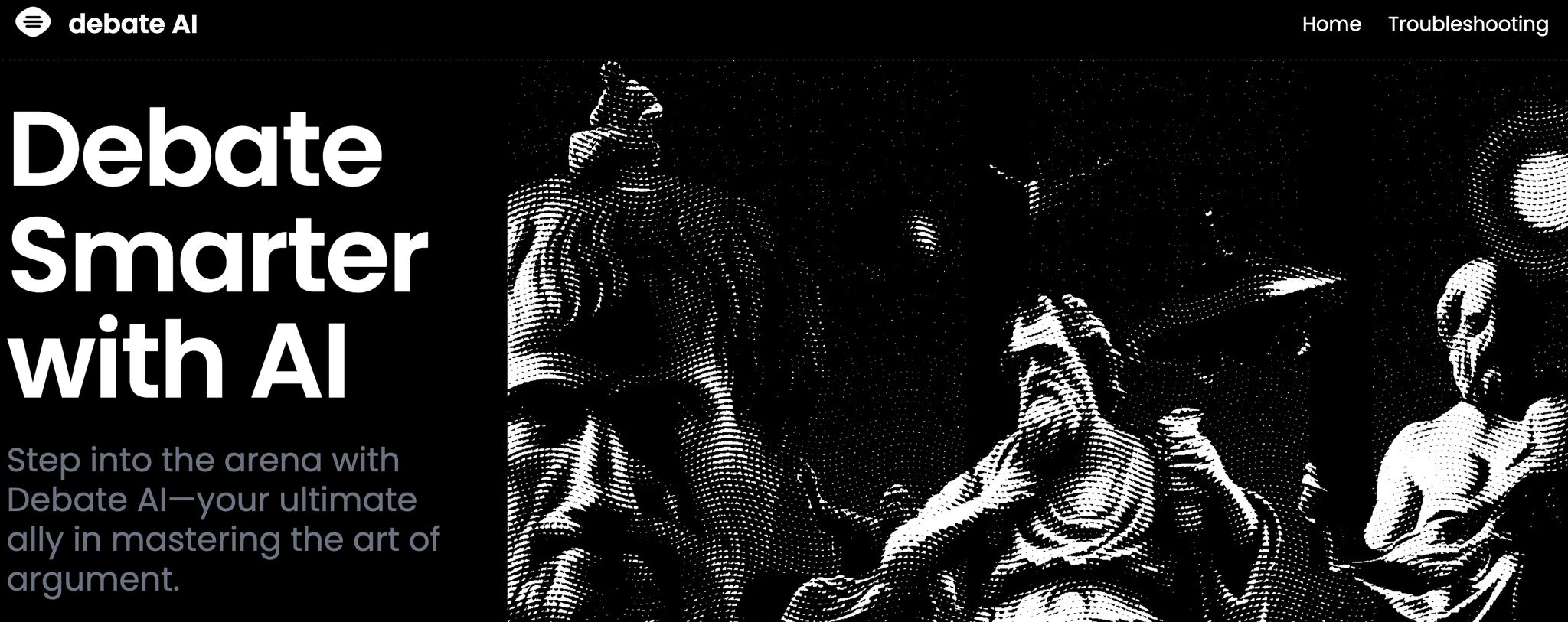
Lobbyists, NGOs, politicians often broadcast their messages rather than persuade their opponents (aka 'preach to the converted').
I came across this basic but handy AI tool called debateai.net - it helps you improve your argument, get a pushback, and aim to convince better.
Whether it's pesticides, disinformation regulation, or whether Canada should become the 51st US state, you can test your argumentation skills pro or against.
Sure, it's AI-powered and therefore a bit clichéd/dry at times, but great for practice.
Give it a try and report back 🤓
*This was originally posted on Andras Baneth's LinkedIn account.
From Disaster to Mastery: Lessons from 10 Years of Presenting to Thousands
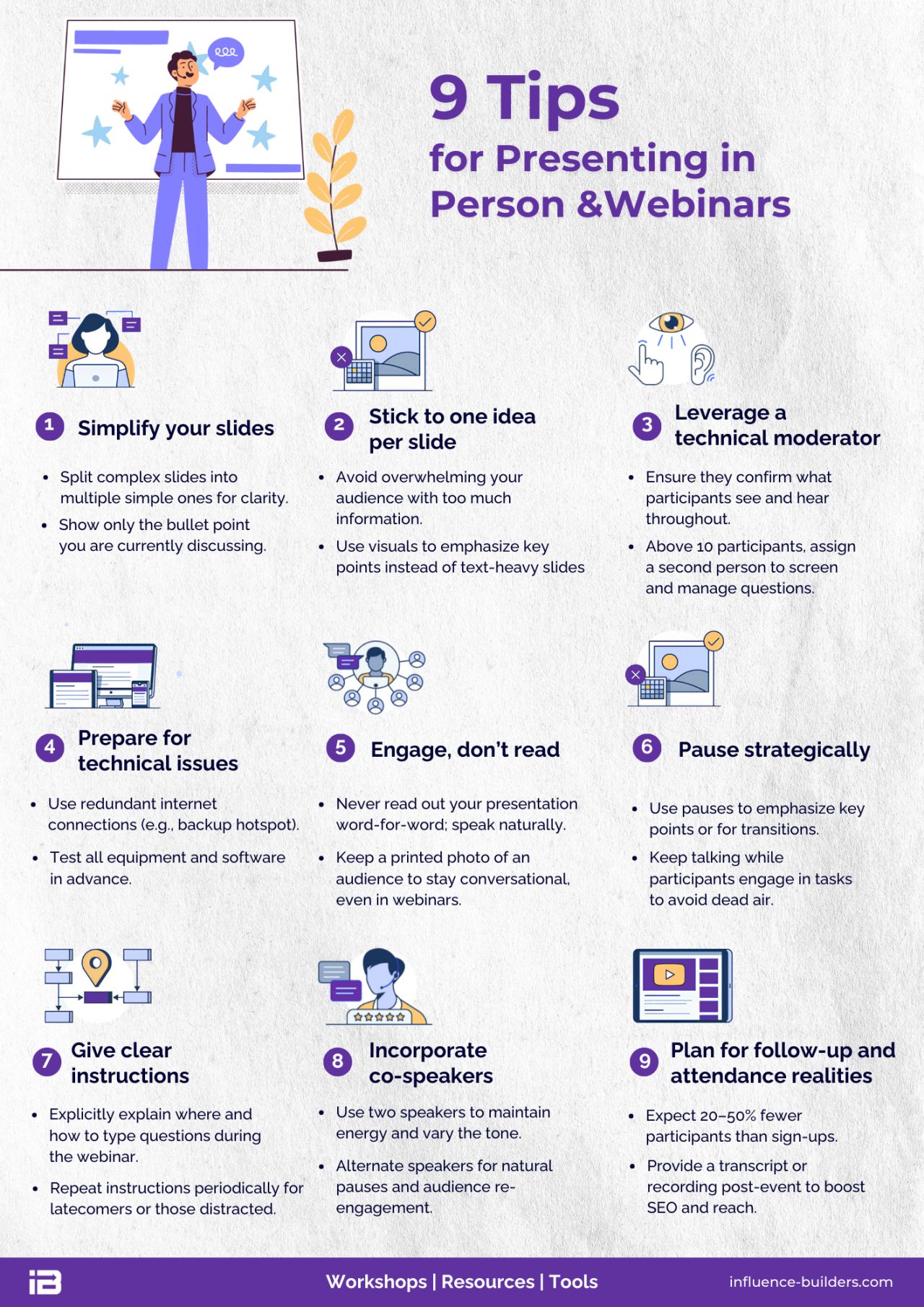
Discover 9 essential tips for delivering clear, memorable, and impactful presentations, based on lessons learned from thousands of talks.
10 years ago, about halfway through one of the most attended live webcasts that I had ever given (think 800+ people), my internet connection died. Never did two minutes feel so long in my life (until I could finally get over my initial shock and switch over to my phone's connection).
I'd also given speeches with zero technical issues but I bored my audience to death.
I had shows with awful slides and irrelevant content.
After several thousand presentations online and offline, I hope to have learned what makes a presentation (and presenting) good, or even great. (Defined as clear, memorable, useful, substantive, and easy to follow.)
There are many more tricks to it, but I tried to summarize the 9 most important ones in this infographic.
Feel free to print it as a reminder and/or share it with those who can benefit from it.
And if I can help you or your team improve their public speaking skills, just get in touch.
*This was originally posted on Andras Baneth's LinkedIn account.
Unlocking Better AI Results: Why Complex Queries Need Step-by-Step Prompting
Learn how a step-by-step approach to AI tools can deliver better insights, using the European Commission's Work Programme and the chemical sector's sustainability goals as an example.
Many people using AI/GPT expect results for complex queries from a single prompt. We're not there yet.
Let's say you want to find out what the European Commission 2025 Work Programme items mean for the chemical sector's sustainability goals.
Will you give a single prompt, lean back and enjoy the perfect output?
Perhaps in a year, yes, but for now, you'll need to 1) use Perplexity to find the work programme (when it's available :-) and related materials online 2) feed the results/PDF into Gemini/ChatGPT/etc. and instruct it to analyze all relevant initiatives that are susceptible to be relevant for the chemical sector 3) input relevant background documents about the sector's positions 4) request the AI tool to provide you a table with a list of topics and reasoning why that should be on your radar.
Not complicated, but a step-by-step approach, combined with step-by-step prompting, can yield far better results.
Give it a try and let me know if it worked better.
*This was originally posted on Andras Baneth's LinkedIn account.
Stepping Up Strategic Communications in Diplomacy and Security Policy
Discover how integrating AI into strategic communications can transform diplomacy, public diplomacy, and security policy, while addressing key data protection concerns.
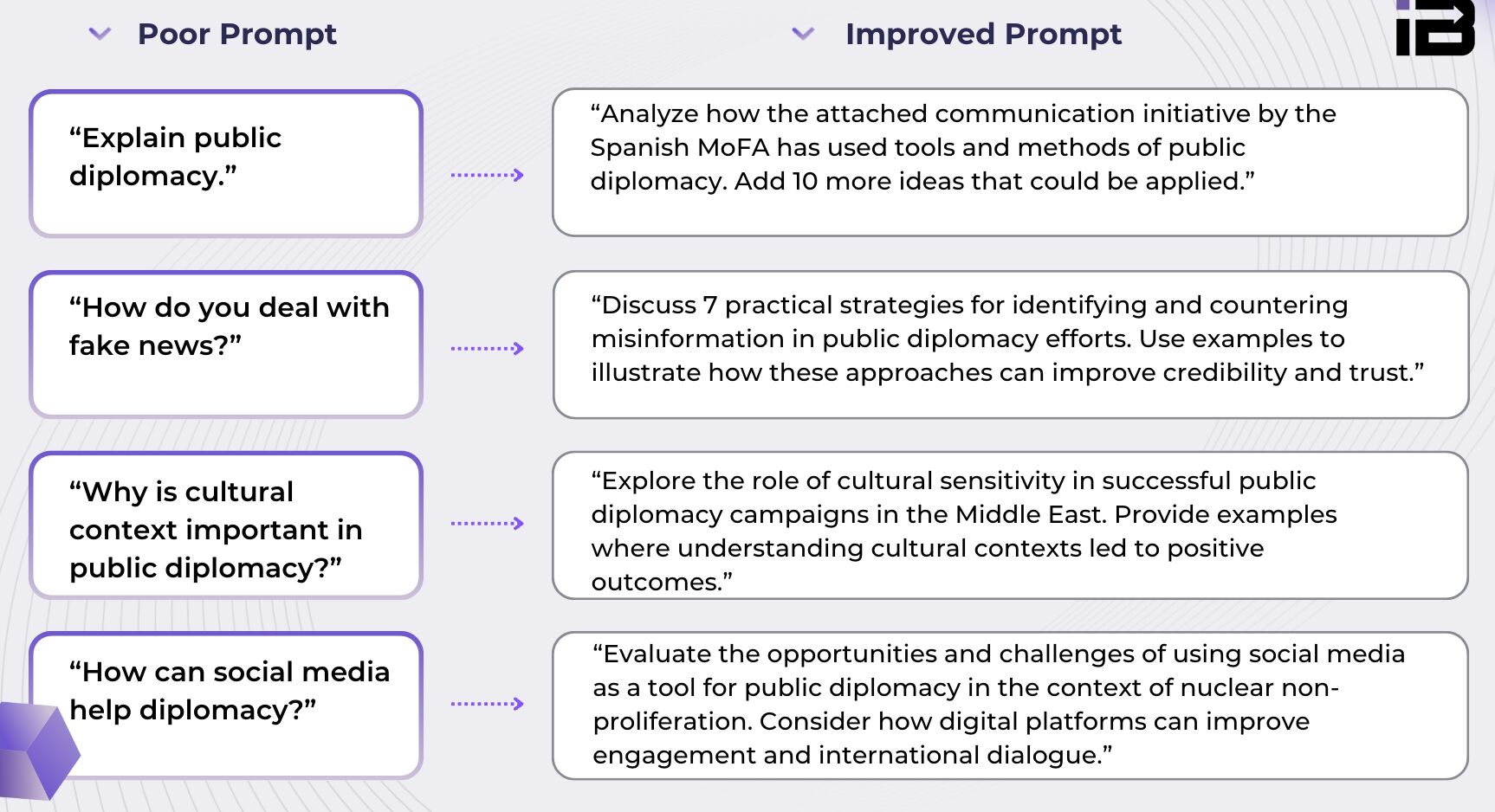
For more than a decade, Dr Siobhán Martin has been kind enough to invite me to run a strategic communications workshop at the Geneva Centre for Security Policy. Until 2024, my presentation had changed little from one year to the next, but for my course yesterday I made a radical update to integrate #AI into the content.
Using ChatGPT/Gemini/... and other large language models is fundamentally changing (or it *should* change) communications for diplomats, military officials, and civil servants.
Security concerns about data protection are of course a key challenge.
However, it's often possible to 'sanitize' the input/prompt so that the results are still useful without compromising sensitive data. (E.g.: make the query personally non-identifiable, provide a broad but specific description of the situation, and ensure basic due diligence by turning off "memory" and "train the model on my data" settings etc.)
Also, many requests refer to outbound communication (think 'public diplomacy', press releases, interviews) instead of internal processes or intelligence (as in military intelligence, not that of the user :-).
In short, this can 5x your effectiveness and creativity to up your persuasion game.
Your opponents/adversaries/enemies are already doing it. The "methodology arms race" is on.
Why not step up the game...?
*This was originally posted on Andras Baneth's LinkedIn account.
How AI is Transforming Strategic Communications for Diplomats and Security Professionals
For more than a decade, Dr Siobhán Martin has been kind enough to invite me to run a strategic communications workshop at the Geneva Centre for Security Policy.
For more than a decade, Dr Siobhán Martin has been kind enough to invite me to run a strategic communications workshop at the Geneva Centre for Security Policy. Until 2024, my presentation had changed little from one year to the next, but for my course yesterday I made a radical update to integrate #AI into the content.
Using ChatGPT/Gemini/... and other large language models is fundamentally changing (or it *should* change) communications for diplomats, military officials, and civil servants.
Security concerns about data protection are of course a key challenge.
However, it's often possible to 'sanitize' the input/prompt so that the results are still useful without compromising sensitive data. (E.g.: make the query personally non-identifiable, provide a broad but specific description of the situation, and ensure basic due diligence by turning off "memory" and "train the model on my data" settings etc.)
Also, many requests refer to outbound communication (think 'public diplomacy', press releases, interviews) instead of internal processes or intelligence (as in military intelligence, not that of the user :-).
In short, this can 5x your effectiveness and creativity to up your persuasion game.
Your opponents/adversaries/enemies are already doing it. The "methodology arms race" is on.
Why not step up the game...?
cc Influence Builders
**This was originally posted on Andras Baneth's LinkedIn account.
12 Predictions for 2025: AI, Sustainability, and the Future of Tech
Explore key trends reshaping industries this year, including AI, sustainability, decentralized finance, and resilient supply chains.
Hello, 2025! This will be an eventful year.A few weeks ago I listened to Section’s “Predictions” event with Scott Galloway.
A few weeks ago I listened to Section’s “Predictions” event with Scott Galloway. Here are my 12 takeaways on what awaits us.
1. AI to guide high-stakes decisions across industries
AI is shifting from handling routine tasks to guiding strategic decisions in industries like finance and healthcare. For instance, IBM Watson being employed in cancer research to identify the best therapy options.
2. Sustainability becomes a profitability engine
Companies like Unilever are increasing revenue by launching eco-friendly product lines and reducing energy consumption through green manufacturing processes.
3. Tech policies shaped by geopolitical priorities
For example, China’s “Great Firewall” and India’s data localization rules showcase the splintering of the internet into regional blocs.
4. Decentralized finance goes mainstream
For instance, JP Morgan launched a blockchain-based payment platform, Onyx, to offer faster cross-border transactions.
5. Personalized healthcare breakthroughs
An example is 23andMe, which uses genetic testing to recommend tailored health interventions and lifestyle changes.
6. Nations tighten control over data flows
The EU’s General Data Protection Regulation (GDPR) continues to influence global policies, while India’s new data privacy law emphasizes local storage of user data.
7. Hybrid work stabilizes as the new norm
For example, Microsoft’s “WorkLab” program combines in-office collaboration days with remote work tools like Teams to optimize productivity and work-life balance.
8. Energy breakthroughs to redefine the grid
For example, Tesla’s Megapack battery systems are enabling large-scale renewable energy storage, stabilizing grids, and reducing reliance on fossil fuels.
9. Immersive digital experiences dominate consumer markets
Meta’s Horizon Workrooms and IKEA’s AR app let users explore virtual office spaces or visualize furniture in their homes before buying.
10. Ethical AI frameworks become mandatory
For instance, Google developed its “AI Principles” to ensure its AI-powered products uphold safety, fairness, and transparency.
11. Cybersecurity investment skyrockets
The SolarWinds attack prompted massive cybersecurity investments in industries like energy and government sectors, with firms like CrowdStrike leading solutions.
12. Resilient supply chains replace efficiency-driven models
Toyota, for instance, diversified its supply base after disruptions caused by the 2011 tsunami, ensuring stable production across its global plants.
Let’s see 👀
**This was originally posted on Andras Baneth's LinkedIn account.
Reflecting on a Year of Growth, Innovation, and Gratitude: My Final Post of 2024
This is my last post in 2024. It's been a crazy (almost) 365 days.
This is my last post in 2024. It's been a crazy (almost) 365 days.
- My training company became Influence Builders, to offer workshops on the EU, public affairs, advocacy, strategic comms, and on using AI
- This spring, we launched webinars, workshops and courses on ChatGPT and AI with Jacques Foul. Since then we've trained over 1,000 lobbyists, researchers, managers, EU officials, MEPs, NGO activists and civil servants to harness AI’s incredible and growing power for persuasion, efficiency, and content creation
- With Aleksa, we created a prototype of a virtual focus group tool to test political messages by asking ‘personas’ for feedback. In a few months, it will be available as a standalone online app
- In April, I had the honour to present my second talk at TEDxKULeuvenBrussels on the power of words, a topic that means a lot to me
- At EU Training we've served thousands of aspiring (and current) EU officials, offered webinars and workshops from 'clear writing' for EU exams to 'EPSO preparation mastery', and created lots of new resources
- We ran about 15 live information webinars on new exams and 'Ask-me-Anything' sessions with Luc Gillis
- To walk the talk, we started developing AI-powered tools and services, including an 'EPSO exam preparation planner', a 'virtual coach', and more
- Special thanks to Rita, Petra, Eszter, Zsofia, Áron, and Laszlo, and to our trainers and partners
- We launched EUcourse .eu, the only online course that offers 14 hours of visual explanations on the EU's history, institutions, and decision-making procedures, thanks to Martin, Helen, Annie, Viktor, and Alexandre
- The audio lectures are now on Spotify (just search for "EU Course", free for a few weeks), and we’ve also published 10+ EU Briefings on EU institutions & key EU policies
- Inspired by the course, "The Ultimate EU Handbook" is soon released, courtesy of John Harper and Sonia Gongu's incredible work, brought to life by Ljiljana Pavkov's design talent
- 7 years after starting SpeakerHUB, Ron became its new owner and guardian, taking it to the next level
- In the summer, I joined The Right Street as partner along with Filip, Lorenzo, and Marko, working with Klym, Katarina and a talented team in Brussels, Belgrade, Bucharest, and Bosnia (ie. Mostar but I didn't want to break the chain of B's). We also launched an AI-powered 'Talk to European Commissioner designates' site which is pretty cool (see it on the TRS website).
- At Ambiorix Center, we renovated the office and built the EU district's 1st state-of-the-art video and #podcast studio ("Ambiorix Studio"). We also offer the space to EPSO candidates if they are looking for a reliable location to take their exam.
- We welcomed Maryana Panyevina as director of events and services, and David who'll be our in-house audio & video producer
Special thanks to Racquel Gabuna for her support in all these projects, and to Liora, Elizabeth, Harold and many others for their friendship and support.
See you in 2025.
*This was originally posted on Andras Baneth's LinkedIn account.
Is This the Society We Aspire to Be? Kids' Top Dream Job: 'YouTuber
Is this the society we want to become where kids' no. 1 aspiration is 'Youtuber'..?
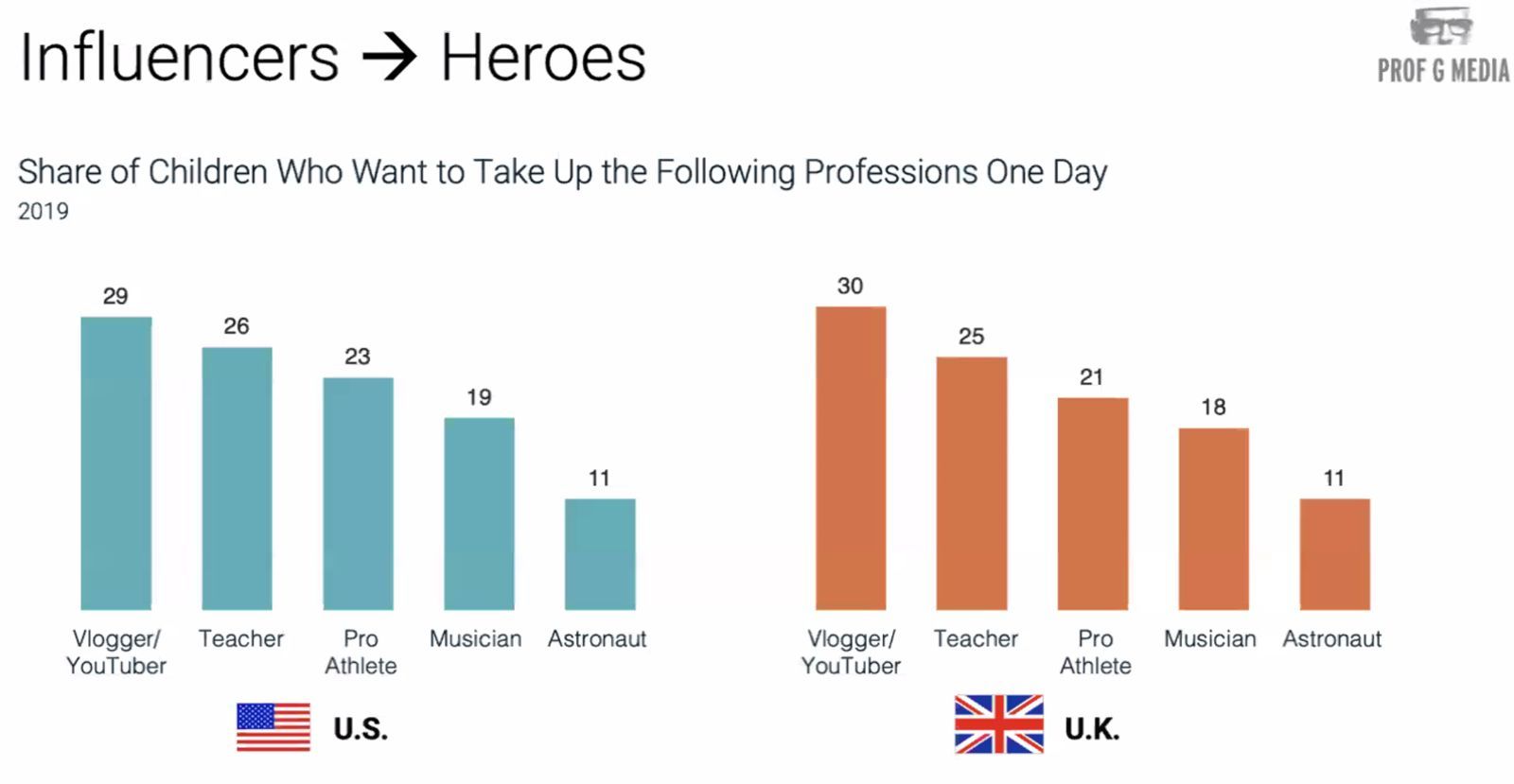
Is this the society we want to become where kids' no. 1 aspiration is 'Youtuber'..?
What does that even mean?(from Scott Galloway's 'Predictions for 2025 event' organized by Section)
**This was originally posted on Andras Baneth's LinkedIn account.
Building Trust: Doing What's Right Over Profit – A Shout-Out to YouCanBookMe
What builds trust?
What builds trust?
When you do what's right even if you lose money.
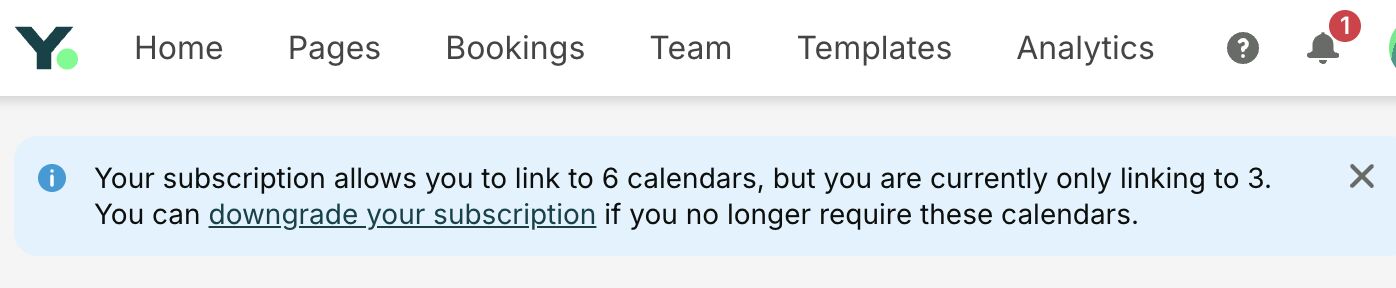
Shout-out to YouCanBookMe for their approach to suggest *downgrading* because I'm subscribed to a service I don't actually use.
Not many companies would have this kind of popups. They might lose some money in the short term but build up loyalty for the long term.
Well done.
**This was originally posted on Andras Baneth's LinkedIn account.
Featured articles
and Insights
This compilation takes us through the history of the first #EPSO candidates, showcasing their journey and achievements from the very beginning to the present day—and even looking ahead.
A compilation of the first #EPSO candidates throughout history, until today and beyond.
(Have you played with ChatGPT-4o's new image capabilities? Pretty impressive.)
*This was originally posted on Andras Baneth's LinkedIn account.
Discover the inspiring story behind The Ultimate EU Handbook, a book born from the unexpected connection of a chance pitch and years of creative collaboration.
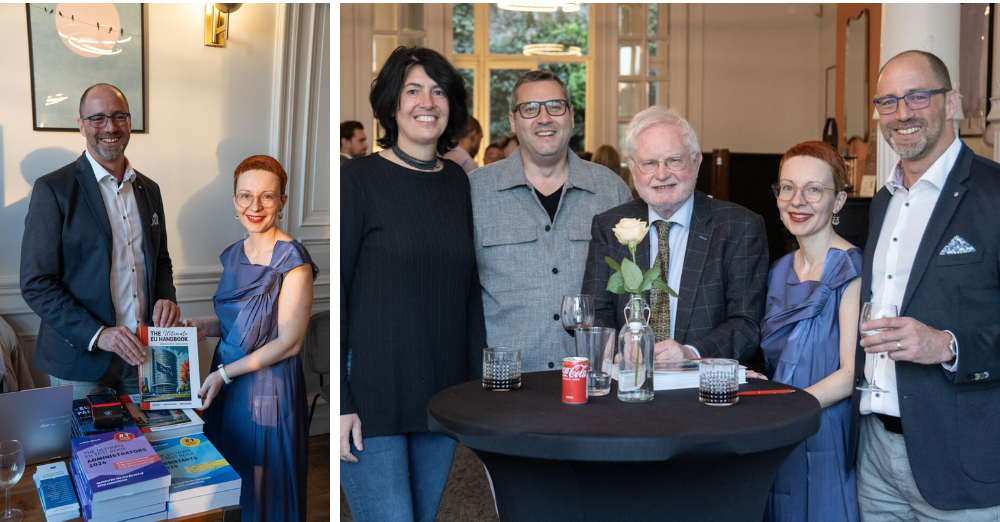
20 years ago, John Harper said 'yes' to an unknown person's unsolicited book pitch, which set of a chain of positive events. Yesterday, another book came to be as a result of two years' intense work and creativity of Sonia Gongu, Martin Tomov, Ljiljana Pavkov... and 'The Ultimate EU Handbook' was born.
Special thanks to Maryana Panyevina, Klym Ahrykov and David Meszaros for your support to make the launch event at Ambiorix Center & Podcast Studio special.
🇪🇺🙏📚
*This was originally posted on Andras Baneth's LinkedIn account.
What began as a discussion about burnout quickly turned into an exploration of something deeper. In my conversation with Dr. Vasadi Anna, a psychiatrist with decades of experience, it became clear that burnout isn’t just about long hours or stress—it’s rooted in expectations, upbringing, and the invisible pressures we internalize from an early age.
English summary of the latest episode of András' Hungarian podcast, 'Lélek Algoritmus – Ilyen az ember (avagy beszélgetések egy pszichiáterrel)' – 'The Soul’s Algorithm: The Human Condition (Conversations with a Psychiatrist).
What began as a discussion about burnout quickly turned into an exploration of something deeper. In my conversation with Dr. Vasadi Anna, a psychiatrist with decades of experience, it became clear that burnout isn’t just about long hours or stress—it’s rooted in expectations, upbringing, and the invisible pressures we internalize from an early age.
Burnout: More Than Just Exhaustion
Burnout gets thrown around a lot, but what does it actually mean? Many assume it’s just extreme fatigue, but as Anna pointed out, it’s something deeper. Burnout drains you emotionally, mentally, and even physically. It’s not the kind of tiredness that a weekend off can fix.
A key distinction Anna made: while depression can affect every part of life, burnout is usually tied to work. But it doesn’t stay there. It spreads—first to colleagues, then to family, then to an overall sense of disillusionment.
The Perfectionist’s Trap
Burnout isn’t just about overworking—it’s about overworking with the wrong mindset. People who push themselves too hard, who never feel their efforts are enough, who equate self-worth with productivity—these are the most at risk.
A common misconception: If I love my work, I can’t burn out. But passion doesn’t shield you. In fact, it often makes things worse. Overcommitting, ignoring personal limits, and relying on caffeine or alcohol to keep up are all red flags.
The Long Shadow of Childhood Expectations
Why do some people burn out while others keep their balance? Often, it starts in childhood.
Many of us grow up believing that our worth is tied to achievement. If we didn’t excel, love and approval felt conditional. Some parents—often unknowingly—reinforce this by setting impossibly high standards or withholding affection when a child falls short. Over time, this creates a need for external validation, making burnout almost inevitable.
Take elite athletes. Their entire identity is wrapped up in performance. When they lose, it’s not just a setback—it feels like a loss of personal value. The same happens in workplaces. A high achiever who misses a promotion doesn’t just feel professional disappointment—they feel like they have failed as a person.
Midlife Crisis: Burnout of the Soul
This naturally led us to midlife crisis, which, in many ways, is burnout playing out on a larger scale.
Both stem from the same root: spending years chasing external markers of success without stopping to ask, Is this what I actually want?
The midlife crisis tends to hit in the 40s or early 50s, often when several pressures collide:
- Aging Parents: The growing responsibility of caring for elderly parents forces many to confront their own mortality.
- Teenage Children: At the same time, kids are becoming more independent, adding another layer of emotional complexity.
- Career Pressures: By midlife, most people have built careers, but many start questioning if they’re on the right path.
It’s a perfect storm of obligations, internal and external, that makes people reevaluate everything—from their job to their marriage to their purpose.
Finding a Way Forward
So, how do we deal with burnout and midlife crisis without making rash decisions?
- Rethink Success – Instead of measuring success by salary, job title, or external validation, define it in terms of fulfillment and balance. If your work is draining you, can it really be called success?
- Recognize the Warning Signs – Losing interest in work, feeling detached, and struggling to muster enthusiasm are all early signs of burnout.
- Set Boundaries – Work will always demand more. It’s up to you to decide what is enough.
- Address Deep-Seated Patterns – If your self-worth depends on achievement, it might be time to rethink where that belief came from. Therapy and self-reflection can help break the cycle.
- Embrace Change – A midlife crisis isn’t necessarily a crisis—it can be a wake-up call. Maybe it’s time for a career shift, a realignment of priorities, or simply a different perspective.
Final Thoughts
Burnout and midlife crisis aren’t just work problems or age-related phases. They’re signals—urgent ones—telling us that something needs to change. The real question isn’t How do I push through? but Am I living a life that actually fits me?
If the answer is no, maybe the crisis isn’t a disaster. Maybe it’s an opportunity.